

Comprehensive Eye Exams: Why Regular Checkups Are Essential for Your Vision
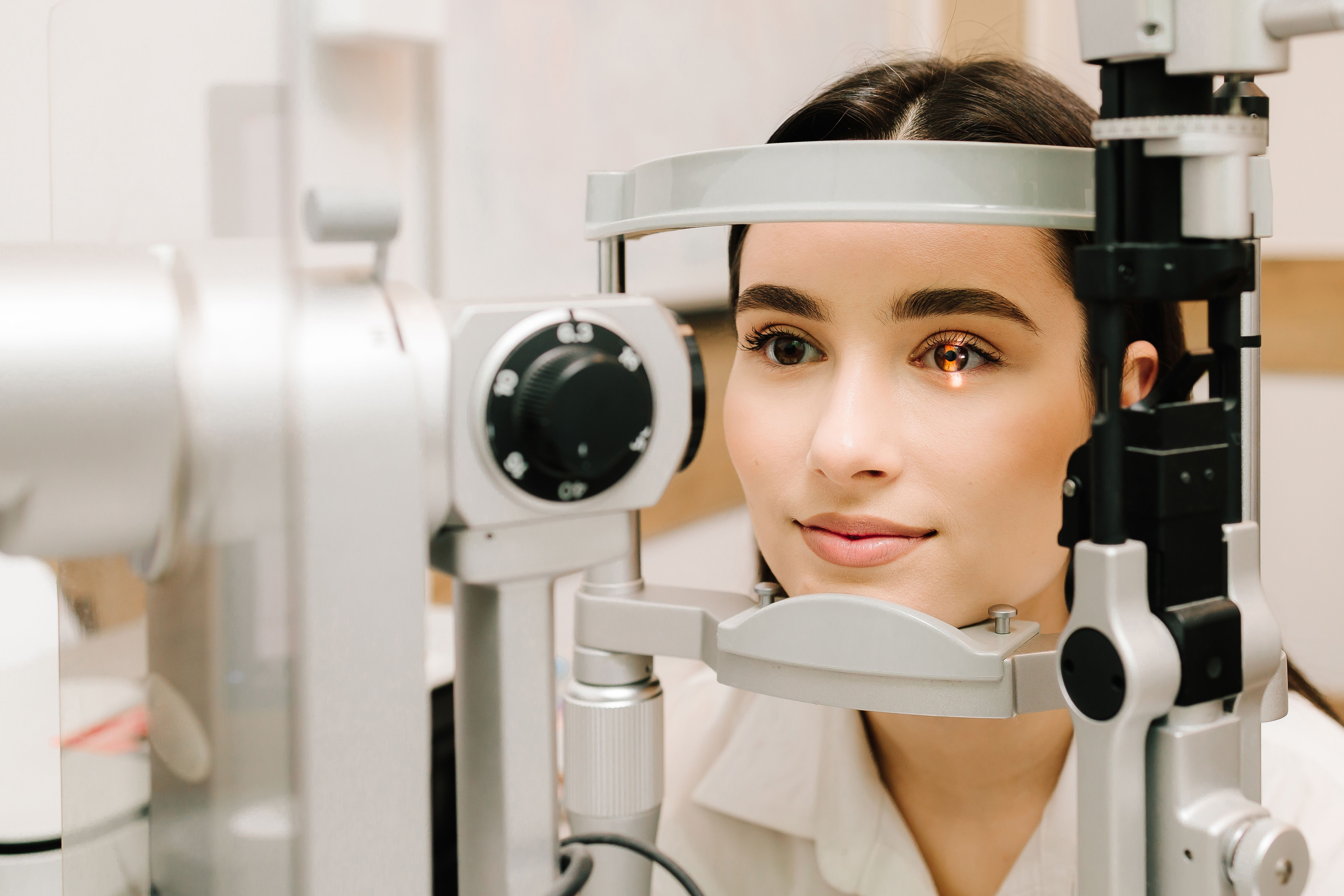
For many people, vision care becomes a priority only when something feels wrong - blurry vision, headaches, or trouble reading street signs. However, routine eye exams are about much more than updating your glasses or contact lens prescription. At Southern Montana Optometric Center, we believe regular comprehensive eye exams are one of the most important steps you can take to protect both your vision and your overall health.
What Is a Comprehensive Eye Exam?
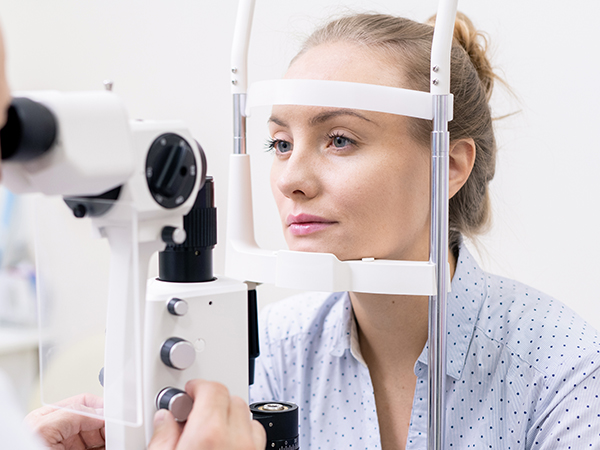
A comprehensive eye exam goes far beyond a basic vision screening. While screenings may simply check how clearly you see at a distance, a full exam evaluates the complete health of your eyes and visual system.
During your visit, your optometrist will:
- Assess your visual acuity and determine if you need corrective lenses
- Evaluate how your eyes work together and track movement
- Check for refractive errors such as nearsightedness, farsightedness, and astigmatism
- Measure eye pressure
- Examine the internal and external structures of the eyes
These tests help detect early signs of eye conditions and systemic health issues - often before you notice symptoms.
Vision Changes at Every Age
Your vision needs evolve throughout your life, and routine exams ensure your eyes receive the care they need at every stage.
- Children and Teens: Clear vision plays a critical role in learning and development. Undiagnosed vision problems can impact reading, concentration, and academic performance. Early exams help identify issues that may affect school success.
- Adults: Even if your vision seems stable, subtle changes can occur over time. Digital screen use, occupational demands, and lifestyle factors can all affect eye health.
- Older Adults: The risk of eye disease increases with age. Regular monitoring becomes especially important to detect age-related conditions before they compromise vision.
Early Detection of Eye Diseases
Many serious eye diseases develop gradually and without obvious warning signs. By the time symptoms appear, permanent vision loss may have already occurred. Comprehensive eye exams allow for early detection and timely treatment of conditions such as:
- Glaucoma
- Macular degeneration
- Diabetic retinopathy
- Cataracts
- Retinal disorders
Early intervention can slow or even prevent progression, preserving your vision for years to come.
How Often Should You Schedule an Exam?
For most individuals, a comprehensive eye exam is recommended annually. However, frequency may vary depending on your age, risk factors, and existing health conditions. Your optometrist can recommend a schedule tailored to your specific needs.
Protect Your Vision for the Future at Southern Montana Optometric Center
Regular comprehensive eye exams provide peace of mind, early detection of potential problems, and the opportunity to maintain clear, comfortable sight throughout your life. At Southern Montana Optometric Center, we are committed to delivering thorough, personalized eye care for patients of all ages.
Schedule a comprehensive eye exam at Southern Montana Optometric Center to protect your vision and maintain healthy eyes for years to come. Visit our office in Laurel, Montana, or call (406) 628-8668 to book an appointment today.

Contact Info
- Address: 210 1st Avenue
Laurel, MT 59044
Office Hours
- Monday 8:00am - 5:00pm
- Tuesday 8:00am - 5:00pm
- Wednesday 8:00am - 5:00pm
- Thursday 10:00am - 6:00pm
- Friday Closed
- Saturday Closed
- Sunday Closed
© 2026 Southern Montana Optometric Center. All Rights Reserved. Accessibility Statement | Privacy Policy | Sitemap
Powered by:
